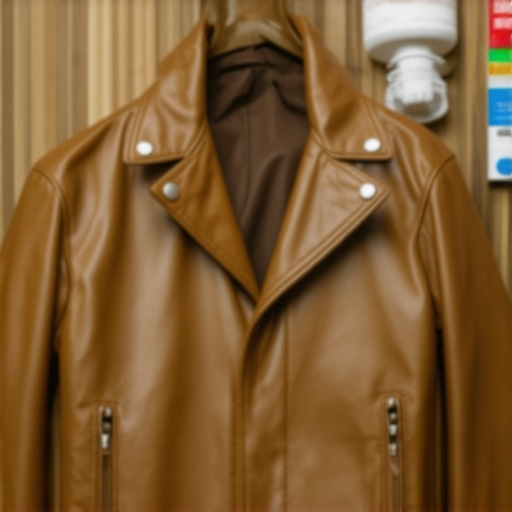
It was a chilly morning in South Tampa when I reached into my closet only to find my favorite leather jacket covered in unsightly dark spots. Panic set in—I knew mold was creeping in, and I had no idea how to tackle it without risking more damage. Have you ever faced that sinking feeling when a beloved wardrobe staple gets ruined by mold or stubborn stains? Honestly, I’ve been there, and it’s frustrating enough to make you want to toss the whole thing in the trash.
Why Mold Spots on Leather Jackets Are More Than Just Aesthetic Issues
Leather jackets are a timeless investment, but they require special care—especially when mold spots appear. Mold isn’t just a cosmetic issue; it can compromise the fabric’s integrity and even pose health risks, particularly for those with allergies or sensitive skin. Believe it or not, according to the CDC, mold can cause respiratory problems and skin irritations, making prompt and proper cleaning essential. Early on, I made the mistake of trying DIY methods that seemed promising but only worsened the situation. That experience taught me a valuable lesson about trusting the experts and understanding that effective cleaning isn’t just about removing surface dirt—it’s about preserving the material and preventing future mold growth.
Is DIY Leather Jacket Mold Removal Really Worth It?
Many folks, including myself initially, jump straight into homemade solutions—think vinegar sprays or over-the-counter cleaners—hoping to save time and money. But I learned the hard way that improper cleaning can set mold deeper into the leather or damage the finish. It’s a common mistake among those unfamiliar with leather care, and it can turn a manageable situation into a costly repair. That’s why I’m here to share proven **habits I’ve tested** and recommend reliable tactics that truly work without risking your favorite jacket’s lifespan. Curious how I managed to fix my leather without turning it into a gamble? Stick around, because these tips could save your wardrobe—and some headaches too.
Start with a Gentle Surface Cleaning
Begin by wiping the affected leather with a soft, damp cloth to remove surface mold and dirt. Use a microfiber cloth slightly dampened with distilled water—avoiding excessive moisture that can damage leather. I once tried cleaning my leather jacket with a damp sponge, which left streaks, but a soft cloth brushed gently in circular motions helped lift the mold without harming the finish.
Apply a Suitable Leather Cleaner Carefully
Select an Eco-Friendly Product
Choose a cleaner formulated specifically for leather, preferably eco-friendly, to avoid harsh chemicals. I used a natural leather cleaner recommended by Tampa’s eco-conscious dry cleaners, which prevented further damage. Test the cleaner on a small, unseen area first to ensure colorfastness.
Use Minimal Product and Gentle Technique
Apply a small amount of cleaner onto a soft cloth and gently wipe the leather surface, paying attention to mold-prone areas. Avoid oversaturating the leather as excessive moisture can cause stiffness or cracking over time. Think of this step like applying lotion—light and even coverage yields better results.
Disinfect and Prevent Future Mold Growth
Mix a solution of equal parts white vinegar and distilled water to disinfect the surface. Lightly spray the mixture onto a clean cloth (not directly onto the leather) and wipe the jacket. Vinegar’s acidity kills mold spores effectively. Afterward, allow the jacket to air dry in a well-ventilated space, preferably under indirect sunlight. I remember hanging my jacket near a window, which not only dried it quickly but also helped inhibit fungal regrowth.
Condition the Leather to Restore Its Flexibility
Once the jacket is dry, apply a high-quality leather conditioner to keep the material supple. Use a soft cloth to apply the conditioner evenly, following the product’s instructions. Conditioning prevents the leather from becoming brittle and seals in moisture. I learned that neglecting this step after cleaning made my leather stiff, but proper conditioning restored its original soft texture.
Store Correectly to Ward Off Recurring Mold Issues
Store your leather jacket in a cool, dry place. Using breathable garment bags or covers prevents moisture buildup, which encourages mold. Consider using silica gel packs in storage areas to absorb excess humidity. For seasonal storage, I recommend hanging your leather with a padded hanger to maintain its shape and avoid creases. For more tips on maintaining leather, check professional leather cleaning insights.
 Many people assume that simply finding a dry cleaner with a convenient location or low prices guarantees quality service. However, this oversimplification ignores the nuanced realities of professional garment care. Here’s where most get it wrong: they focus solely on surface-level criteria instead of understanding the expert practices that truly safeguard your clothes. A critical misconception is undervaluing the importance of specialized cleaning techniques, particularly for delicate fabrics like silk or suede, which require tailored approaches to prevent damage. For example, not all dry cleaners are equipped or trained to handle luxury or specialty garments, leading to potential color fading, fabric weakening, or even irreversible stains. Choosing a shop based only on proximity or extended hours—such as dry cleaners open late in Tampa—may result in compromised preservation and hygiene standards. You need to verify their expertise in eco-friendly practices, which are gaining popularity for being safer for both your health and the environment. An experienced provider employing eco-conscious solutions can avoid harsh chemicals that can weaken fibers or cause allergic reactions. Moreover, many overlook the significance of the dry cleaning process’s comprehensiveness. Effective cleaning isn’t just about removing visible dirt; it’s about eliminating bacteria, mold spores, and allergens—especially relevant for items like comforters or blankets. Some shops might cut corners by skipping proper disinfecting stages, leaving residues that can cause fabric deterioration over time. An often-missed detail is the importance of post-cleaning finishing, such as tailoring or repairing minor damages, which adds value and longevity to your garments. Do you double-check whether your selected dry cleaner offers these essential services? If not, you might be risking more than just your wardrobe’s appearance. To ensure your clothes receive the best care, consider providers who demonstrate expertise in handling various materials—like silk garment cleaning in Lutz or down comforter cleaning—using the latest techniques and eco-friendly solutions. Don’t fall into the trap of assuming all dry cleaners are created equal; instead, look for certifications, reviews, and clear communication about their processes. Remember, your garments are worth the extra scrutiny, especially when it comes to preserving their look and feel. Have you ever fallen into this trap? Let me know in the comments.Maintaining pristine garments requires not just expertise but also the right equipment to ensure long-lasting results. One of my go-to tools is a professional-grade steam cleaner, which I use daily to remove deep-seated wrinkles and eradicate bacteria without chemical reliance. Unlike standard household steamers, these industrial models generate consistent high-temperature vapor, effortlessly penetrating fabrics like silk and velvet. Additionally, an ultrasonic cleaning device has revolutionized my approach to delicate items such as jewelry and intricate embroideries. Ultrasonic waves create microscopic bubbles that gently lift dirt and oils from fabric fibers, providing a thorough clean without abrasion. For handling stubborn stains, I rely on a specialized spotting kit that includes enzyme-based stain removers tailored for organic and protein stains—common in food or beverage spills. These are particularly effective for catering to various fabrics, from cozy comforters in Lutz to luxury suede in South Tampa. As technology advances, I predict an increased integration of mobile cleaning units equipped with GPS and real-time monitoring—streamlining the process and ensuring timely pickups, especially for busy clients seeking dry cleaning near me. Staying ahead in this industry means embracing tools that enhance efficiency and quality, ultimately delivering superior service to our community.
How do I keep my equipment functioning flawlessly over time?
Regular maintenance is crucial. For example, descaling steam cleaners with manufacturer-recommended solutions prevents mineral buildup, ensuring consistent steam strength. Proper calibration and routine inspections of ultrasonic units prevent frequency drift that could compromise cleaning efficacy. Additionally, using eco-friendly cleaning solutions, like those adopted by Tampa’s leading dry cleaners, extends equipment lifespan while reducing environmental impact. Investing in what Anthony et al. describe as ‘predictive maintenance’ can catch potential issues before they escalate, saving costs and maintaining high standards.[1] To get started, I recommend scheduling biannual professional check-ups for your equipment, complementing these with daily visual inspections. This proactive approach ensures your tools perform optimally, providing confidence that every garment receives the care it deserves. Want to see these practices in action? Try integrating a high-quality ultrasonic cleaner into your routine—it’s a game-changer for delicate fabrics. For more guidance on equipment maintenance, reach out to our experts via our contact page and elevate your dry cleaning game today.As I reflect on the journey from battling stubborn mold spots to discovering the nuances of expert garment maintenance, one thing becomes clear: true garment care is about more than just cleaning—it’s about understanding the unique needs of each fabric, learning from occasional mistakes, and continuously refining your habits. For those passionate about preserving your wardrobe’s integrity and longevity, embracing this personalized approach unlocks a world of benefits that generic solutions simply can’t offer. Remember, each stain, fabric type, or storage method carries its own story—and knowing how to respond can make all the difference in keeping your favorite items pristine and vibrant for years to come. So, take these lessons to heart, trust in specialized tools and eco-friendly practices, and let your clothes tell their stories with confidence. Dive deeper into expert insights and elevate your garment care routine today. Check out our comprehensive guides and professional tips to stay ahead in maintaining your wardrobe’s brilliance.