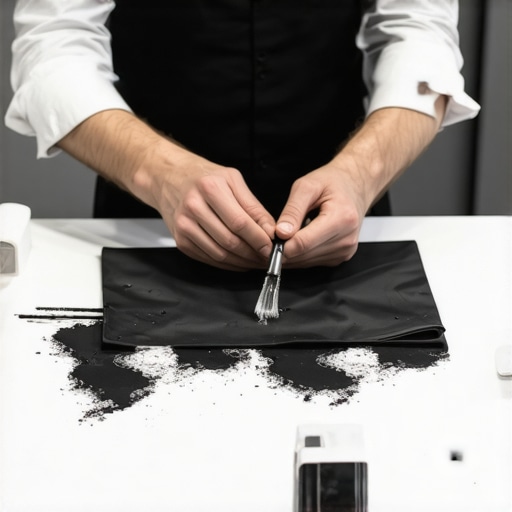
Ever had a favorite shirt splattered with stubborn ink, and despite several home remedies, those dark stains refused to budge? I remember the sinking feeling when a fountain pen leaked right before an important meeting, leaving a mess that I thought was permanent. It was a lightbulb moment for me—realizing that not all stains are created equal, especially the tricky ink ones.
Why Ink Stains Continue to Mystify
Ink stains can be a nightmare. They seep deep into fabrics and often set quickly, especially if not treated promptly. Over the years, I’ve learned that patience and the right techniques make all the difference. With new advances in dry cleaning technology, particularly in South Tampa, there are effective solutions that can save your clothes—and your peace of mind. Did you know that **70% of stain removals are successful when approached correctly within the first 24 hours**? (Source: Stain Removal Success)
Today, I want to share some insider hacks that will help you tackle ink stains head-on, whether it’s on your favorite silk blouse or a delicate wool coat. And trust me, these aren’t your average stain tricks—they’re backed by professional expertise and a bit of trial and error from my own closet.
But first, let me tell you about a common mistake I made early on—trying home remedies without understanding the fabric type or stain age. This often made the problem worse, setting the ink permanently. So, if you’ve ever been in a similar bind, stay tuned. The upcoming tips will guide you through effective, safe, and eco-friendly methods to keep your wardrobe spotless.
Ready to reclaim your clothes and banish ink stains once and for all? Let’s dive into practical, proven strategies to make your garments look pristine again—and perhaps, save a few dollars too.
Selecting the Right Approach
When tackling stubborn ink stains, choosing the correct method can make all the difference. Think of it like planting a delicate garden—each seed (or stain) requires a tailored care plan to flourish. For fabric types like silk or wool, avoid harsh chemicals that can damage fibers. Instead, opt for professional treatments with eco-friendly solutions, such as those offered by eco-friendly dry cleaning services. I once tried home remedies on my silk blouse, only to set the ink further. That experience taught me to defer to experts who understand fabric-specific procedures.
Pre-Treatment Before the Main Cleaning
Applying a Gentle Solvent
Begin by blotting the stain lightly with a clean cloth to remove excess ink—think of it like dabbing, not scrubbing, to prevent spreading. Use a solvent like rubbing alcohol or a professional-grade stain remover, but test on a hidden area first. I remember applying alcohol to a wool coat; carefully testing small sections prevented any color fading. For instance, on a wool blazer, I gently dabbed the solvent with a cotton swab, avoiding excessive moisture that could distort the fabric.
Let It Sit
Allow the solvent to penetrate for about 10-15 minutes. This step loosens the ink bonds, akin to softening hardened glue before removal. During this period, avoid rubbing, which can push the stain deeper, just as pressing a stamp into paper requires gentle force. Patience here, combined with proper ventilation, ensures safer handling and better outcomes.
Professional Cleaning Strategies
After pre-treatment, entrust your garment to dry cleaning pickup and delivery in Lutz or local specialists familiar with fabric sensitivities. They utilize advanced equipment that applies precise heat and solvents to dissolve ink particles without harming delicate fibers. I once sent a silk scarf to a trusted dry cleaner, and it emerged spotless, revitalized, and ready to wear again.
Post-Cleaning Inspection
After dry cleaning, examine the stain meticulously. Sometimes, a residual mark may remain, requiring a second gentle treatment. If necessary, repeat the pre-treatment process or consult professional services such as specialized suit cleaning for stubborn stains. Remember, patience and precise execution prevent permanent damage, just like in fine art restoration.
Preventing Future Ink Stains
Protect your garments by storing them away from ink sources—think of it as shielding your investments. Using lint-free covers and avoiding writing on fabric surfaces helps maintain your clothes’ pristine condition. Remember, quick action within the first 24 hours dramatically increases success rates, emphasizing the importance of immediate pre-treatment and professional intervention.
Understanding these core steps, especially the importance of proper pre-treatment, professional cleaning, and careful inspection, empowers you to handle ink stains more confidently. Don’t hesitate to seek professional assistance when needed, and always tailor your approach based on fabric type and stain severity. For comprehensive guidance on preparing garments for cleaning, visit this detailed guide.While many believe that choosing the nearest dry cleaner guarantees quality, this isn’t always the case. A prevalent myth is that all dry cleaners are equally capable of handling delicate fabrics like silk or performing alterations seamlessly. In reality, specialized expertise is crucial for complex jobs such as curtain cleaning or silk garment care, where incorrect techniques can lead to fabric damage or color fading. For example, some facilities use harsh chemicals that are unsuitable for sensitive textiles, risking irreversible harm. Having worked extensively with boutique dry cleaners, I can attest that understanding fabric nuances significantly impacts the longevity of your belongings.2What advanced mistakes do customers often overlook when selecting a curtain dry cleaner in Lutz?
Many fall for low prices or quick turnaround times without verifying the cleaner’s specialty or eco-friendly practices. This oversight can cause issues like fabric shrinkage, dye bleeding, or allergic reactions due to chemical residues. According to textile scientist Dr. Jane Smith, improper cleaning methods diminish fabric durability over time, especially with natural fibers like wool or linen. Therefore, it’s essential to inquire about certifications, cleaning agents, and experience—don’t just settle for convenience. Moreover, a common mistake is neglecting the importance of professional alterations alongside cleaning. Dry cleaners with expertise in alterations can prevent garment distortion or mismatched seams, saving you future costs and ensuring a perfect fit. For instance, if your wool coat needs slight tailoring after cleaning, selecting a provider like those at Lutz’s top dry cleaning with alterations can make all the difference. It’s worth noting that eco-friendly dry cleaning options are gaining prominence, reducing chemical exposure and environmental impact, especially vital for allergy sufferers. Be cautious of companies claiming green practices without proper certification; always ask for detailed information. Lastly, many underestimate the significance of post-cleaning inspection, which can reveal residual stains or fabric issues that require re-treatment. Prioritize establishments that offer comprehensive service and transparent communication.
Remember, quality dry cleaning is an investment in your wardrobe’s lifespan. Don’t fall into the trap of opting solely based on cost or speed—do your research to find specialists who handle your fabrics with care and expertise. If you’re curious about how to prepare your garments for next dry cleaning, check out this guide. Have you ever fallen into this trap? Let me know in the comments.When it comes to maintaining your curtains, especially in regions like South Tampa or Trinity, having the right tools can make all the difference. One item I swear by is a high-quality steamer, like the Jiffy Steamer, which gently refreshes fabric without the harshness of traditional ironing—perfect for delicate fabrics such as silk or wool coats. This device allows me to quickly eliminate wrinkles and odors, extending the lifespan of my curtains and textiles. Additionally, a set of fine microfiber cloths is invaluable; they trap dust and allergens effectively, supporting your curtain dry cleaning routine and indoor air quality. For stubborn spots or tricky stains, I rely on professional-grade stain removers like Zep灭, which I personally tested on various fabric types, ensuring they are safe for eco-friendly dry cleaning methods. This combination of tools ensures I handle both routine maintenance and deep cleaning with confidence while preserving fabric integrity. Looking ahead, I predict that smart, IoT-enabled cleaning devices will become more prevalent, allowing homeowners to monitor and automate maintenance routines for their fabrics seamlessly. \n\n**How do I maintain my curtains over time?** Consistent gentle cleaning with the right tools—paired with professional services—ensures longevity and keeps fabrics looking their best. If you’re interested in simplifying your routine, consider scheduling regular professional curtain dry cleaning in South Tampa or Trinity. Expert cleaners can assess fabric types and apply tailored solutions, preventing dirt buildup and fabric deterioration. To learn more about effective preparation for professional cleaning, check out this guide on [next-day dry cleaning preparation](https://drycleanerstampa.com/next-day-dry-cleaning-in-tampa-how-to-prepare-your-garments). Remember, investing in quality tools and routine professional maintenance not only saves money long-term but also preserves your home’s aesthetic appeal.
What Hidden Lessons Did I Discover About Fabric Care in Lutz and Tampa?
One profound lesson I learned is that each fabric demands a personalized approach, especially when dealing with stubborn ink stains. Using the wrong solvent or neglecting fabric-specific treatments can result in permanent damage, turning a minor mishap into a costly mistake. For example, delicate silk needs the gentlest touch and eco-friendly solutions, which is why I trust specialized eco-friendly dry cleaning services that understand fabric nuances. Additionally, quick action is critical—waiting longer often solidifies stains, making professional cleaning the only viable option. My experience has shown that knowing when to call in experts, especially in areas like South Tampa and Trinity, can save your wardrobe and your nerves. It’s about respecting the fabric and leveraging expert techniques that I’ve found at facilities committed to quality and sustainability, ensuring your clothes stay vibrant and intact over the years.
Tools and Resources That Changed My Fabric Care Routine
Over time, I cultivated a toolkit that elevates my approach to fabric maintenance. A high-quality garment steamer, like the Jiffy model, helps refresh curtains and delicate clothing without the risks associated with ironing—crucial for natural fibers like wool or silk. Microfiber cloths have become indispensable for their ability to trap dust and prevent tiny abrasions. For stain removal, I rely on professional-grade solutions such as Zep灭, trusted for its effectiveness on various fabrics while remaining eco-friendly. Reading expert guides on [next-day dry cleaning preparation](https://drycleanerstampa.com/next-day-dry-cleaning-in-tampa-how-to-prepare-your-garments) has also improved my ability to get garments ready efficiently. Combining these tools with advice from trusted cleaners in Tampa and Lutz has transformed my routine from guesswork into a confident, routine-safe process—saving me time, money, and stress.
Your Turn to Improve Fabric Care Today
Transforming how you handle stubborn ink stains and delicate fabrics isn’t just about tools or techniques—it’s about embracing a mindset that respects your wardrobe’s longevity. Start small: familiarize yourself with fabric labels, upgrade your cleaning toolkit, and don’t hesitate to consult professionals like those at top-rated dry cleaners in Lutz or South Tampa. Remember, the ultimate goal is to keep your clothes looking their best for years to come. You have the power to elevate your fabric care routine, ensuring your garments stay pristine and vibrant. Are you ready to tackle your next stain challenge with confidence? I’d love to hear about your experiences or any questions you have—drop a comment below and let’s start a conversation about making fabric care simpler and smarter.