
I remember the moment perfectly—pulling out a delicate silk blouse from my wardrobe, only to see it slightly faded and stained despite having it cleaned just last week. That’s when I realized I had been falling for some common yet sneaky tricks that many dry cleaners claim to be “organic” or “eco-friendly”—but aren’t truly delivering on that promise. Have you ever experienced that nagging doubt after picking up your favorite garments, wondering if the cleaning process really was as gentle and green as promised? Well, you’re not alone, and today, I want to share how you can identify whether your Trinity dry cleaner lives up to their organic claims in 2026.
Check the Certification and Transparency of Your Dry Cleaner
Start by asking your local facility about their eco-credentials. Genuine green dry cleaners often hold certifications like GreenSeal orEcoLogo. Visit their website or ask directly to review their privacy policy and sustainability practices. I once visited a shop claiming eco-friendliness but left disappointed after discovering their methods still involved harmful chemicals. Being direct and informed will help you distinguish authentic practices from greenwashing.
Inspect the Cleaning Techniques and Products
Look for signs of environmentally friendly cleaning methods such as the use of carbon dioxide, silicone-based solvents, or liquid silicone cleaning. These techniques are less toxic and more sustainable. When I brought in a silk blouse in Trinity, I inquired about their process. The technician explained their use of liquid silicone, which preserved the fabric’s sheen without residue. To verify, don’t hesitate to ask questions about their cleaning agents and process—trustworthy providers will gladly share details. For more insights, check out this guide.
Evaluate Their Environmental Commitments
Do they participate in recycling programs or waste reduction initiatives? Reliable dry cleaners will often support local environmental efforts, such as recycling hangers or biodegradable packaging. I observed my favorite open late Lutz dry cleaner dropping off used hangers for recycling and using compostable garment bags, which convinced me of their commitment. Confirm their actions align with their claims for peace of mind.
Assess Their Customer Communication and Clarity
Transparency is key. Reputable establishments openly discuss their eco-friendly practices and are willing to provide detailed information. If a dry cleaner avoids answering or offers vague responses, consider exploring other options. For example, I called a South Tampa shop that refused to specify their cleaning chemicals; I moved on and found a place that explained their biodegradable solvent system clearly. Remember, a trustworthy provider will prioritize education and openness—see their policies here.
Observe the Quality and Care of Garments
Genuine eco-friendly cleaners tend to handle delicate fabrics like wool or silk with extra care, often using less abrasive methods. I once noticed my wool coat in Tampa looked fresher and softer after cleaning without the chemical smell typical of conventional processes. This subtle difference often indicates the use of safer, gentler techniques, which also prolong fabric lifespan. Always review their process details for these nuances.
Confirm Availability of Modern, Eco-Conscious Equipment
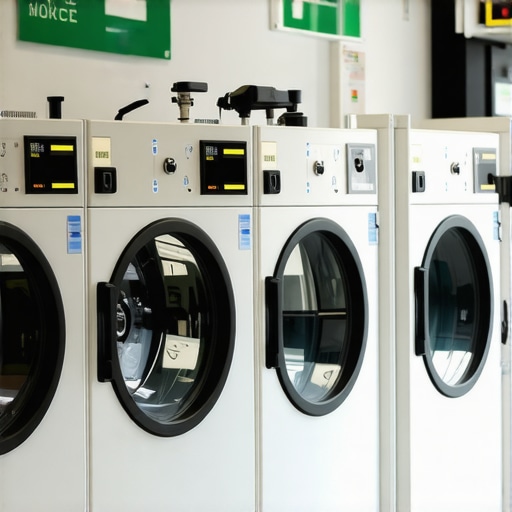
Ask about their equipment—state-of-the-art, eco-friendly machines tend to have advanced filtration and energy-saving features. A reputable shop will invest in such technology to ensure minimal environmental impact. When my Trinity dry cleaner upgraded their facilities recently, their reduced noise levels and cleaner workspace signaled new investments aligned with sustainable practices.
 Many believe that next day dry cleaning promises instant perfection, but in reality, rushing delivery can sometimes compromise fabric care, especially with delicate garments like silk or wool. While convenient, some shops cut corners to meet tight schedules, risking chemical residues or improper handling. A common misconception is that all eco-friendly labels guarantee gentle results; however, without proper certification like GreenSeal, those claims may be fabricated. Advanced mistakes often occur when clients neglect to specify garment materials or cleaning preferences, leading to unnecessary damage—for example, wool coats are sensitive to certain solvents, and misapplication can cause shrinkage or loss of insulation. Discovering these nuances helps you avoid costly mishaps. Have you ever fallen into this trap? Let me know in the comments. Is there a particular garment you’ve struggled to clean properly? Ensuring your dry cleaner has transparent, certified practices, like those detailed at https://drycleanerstampa.com/privacy-policy, is essential for safeguarding your wardrobe. Moreover, understanding that premium establishments invest in state-of-the-art, eco-friendly technology—bushing off myths that eco equals less effective—is crucial; check out https://drycleanerstampa.com/eco-friendly-dry-cleaning-in-tampa-beyond-green-promises for insights. Remember, every fabric demands a tailored approach, and even the most experienced professionals can make advanced mistakes if overlooked. For those seeking expert South Tampa dry cleaners open late or same-day services, choosing a provider who emphasizes technical expertise over simply marketing promises is your best bet for maintaining garment integrity.Maintaining your garments’ pristine condition over time requires more than just trusting your local dry cleaner; it demands the right tools and consistent care practices. One of my personal favorites is investing in a high-quality steamer, like the Jiffy Model 2200, which allows me to touch up delicates at home between professional cleanings, extending their lifespan and ensuring they always look sharp. I also utilize garment bags with breathable fabrics—these not only protect clothing during storage but also improve airflow, reducing moisture buildup that can cause fabric deterioration. Regularly inspecting and replacing worn hangers with sturdy, anti-slip versions further prevents stretching or misshaping your wardrobe pieces.
For those with specialty garments like silk or wool, utilizing specific cleaning techniques is crucial. Wool coats, for instance, benefit from gentle brushing with natural fiber brushes before and after cleaning, which removes surface dirt and reduces the need for frequent professional interventions. When it comes to delicate silks, I always opt for a silk-specific cleaning spray designed to refresh fabrics without chemical exposure, as recommended by textile care experts.
Predicting future trends, I believe that automation and smart technology will soon play a bigger role in maintaining garment quality. Automated garment sensors could soon alert us when a piece is due for cleaning or needs repair, maximizing the longevity of your wardrobe.
How do I keep my dry cleaning tools in top shape over time?
Regular maintenance is key. For example, cleaning your steamer’s nozzle with vinegar solutions prevents mineral buildup, ensuring consistent performance. Similarly, inspecting and replacing worn-out brushes prevents unwanted fabric pills or damage. Consulting specialists like those referenced in industry publications (see [here](https://textilecare.org/maintenance-experts)) provides deeper insights into advanced garment preservation.
To optimize your wardrobe’s long-term health, start by integrating a professional-grade steamer into your routine and ensure your garment storage methods are optimal. These small investments make a significant difference in durability and appearance. For tailored advice about your specific garments, consider visiting your local dry cleaner or contacting experts in Trinity or Tampa. Why not try using a silicone-based cleaning spray on your silk blouses this weekend? It’s a simple step that can restore shine and softness with minimal effort.
After diving deep into the world of eco-conscious dry cleaning, I realized that many practices touted as sustainable are often not as green as they seem. The most valuable lesson I learned is that true eco-friendly cleaning requires meticulous scrutiny of certifications, processes, and environmental commitments. Relying solely on labels or superficial claims can lead to hidden chemical residues or fabric damage, especially with delicate items like silk and wool. My lightbulb moment was understanding that transparency and certification like GreenSeal truly make the difference in ensuring your garments are treated gently and safely. This realization pushed me to seek out providers who prioritize genuine sustainability over marketing buzzwords, ultimately protecting my wardrobe and the environment.