I remember the moment clearly. I was rushing out the door, clutching my favorite silk scarf, when I noticed a faint, almost imperceptible stain. Usually, I’d just toss it into the dry cleaner’s bag, trusting their expertise. But this time, I hesitated. Something felt different. That’s when it hit me—our delicate fabrics, especially silk garments in Lutz, need more than just conventional cleaning. They deserve care that’s gentle on both the fabric and our environment.
Understanding the Urgency of Eco-Friendly Care
As someone passionate about preserving beautiful accessories and wardrobe staples, I’ve come to realize that traditional dry cleaning methods often overlook the environmental impact. In 2026, this concern isn’t just about eco-consciousness—it’s about the health of our fabrics and our planet. Silk, for instance, is incredibly delicate. Its natural fibers can suffer from harsh chemicals used in many conventional cleaning processes, leading to color fading and fabric degradation over time. Plus, many traditional solvents are linked to harmful emissions, contributing to larger environmental issues.
According to recent studies, eco-friendly dry cleaning options reduce harmful chemical usage by up to 90%, making a significant difference in our ecosystems. Yet, I admit I made a mistake early on: I naïvely believed all dry cleaners were equally gentle and environmentally responsible. That’s not always true. It turned out that some so-called “green” cleaners still used questionable solvents, which could damage my cherished pieces and the environment alike. That’s why I’ve dedicated myself to finding truly eco-friendly services, like those at eco-friendly dry cleaning in Tampa, which prioritize safety for fabrics and the planet.
If you’ve ever wondered whether your favorite silk blouse or delicate curtain is really getting the gentle, eco-conscious care it needs, you’re not alone. My goal today is to walk you through why eco-friendly garment care isn’t just a trend but a necessity in 2026—and how you can choose the right professionals to keep your wardrobe vibrant and eco-safe.
Start with Researching Certified Eco-Friendly Cleaners
My first step was to identify dry cleaners in Lutz that genuinely prioritize eco-friendly methods. I visited their websites, checked for certifications like Green Seal or EcoLogo, and read reviews. Just last month, I took a risk and dropped off my silk blouse at eco-friendly dry cleaning in Tampa. The process was smooth, and the results exceeded my expectations, preserving delicate fibers without chemical odors.
Prepare Your Garments Properly Before Drop-Off
Make sure to empty all pockets and unbutton delicate fasteners. For example, I once left a paperclip in my chiffon dress, which caused a minor tear during cleaning. So, I now double-check—this prep step is crucial for avoiding damage and ensuring your items get the gentle treatment they deserve. Use proper packaging—avoid plastic bags that can trap moisture and cause fabric sticking.
Communicate Specific Care Needs Clearly
When dropping off your comforter or curtain, specify that you want eco-friendly products used. For instance, I once asked for organic dry cleaning for my curtains, and the staff attentively confirmed they’d protect the fabric without harsh solvents. Highlighting your preferences ensures your wardrobe gets the treatment aligned with your environmental values, reducing the chance of unnecessary chemical exposure.
Understand the Core Cleaning Techniques
Gentle Solvent Alternatives
Many top-tier dry cleaners now use liquids like liquid silicone or hydrocarbons that are safer and environmentally friendly. I adopted this knowledge after reading about how these solvents effectively clean fabrics like silk and leather without harming the environment. For leather jackets in Lutz, professional cleaning preserves softness—check out expert leather jacket cleaning in Lutz.
Low-Temperature, Careful Cycles
High heat can weaken natural fibers. I watched a tutorial on wool coat care, which emphasized using low temperatures. I now request these gentle cycles for my delicate garments, which extend their lifespan and maintain color vibrancy.
Implement Quality Checks After Cleaning
Visually inspect your items before leaving the shop. If a silk curtain still shows faint stains after the first try, ask for a re-clean using alternative solutions. During my last visit, I noticed my bridal gown was slightly wrinkled; I requested professional pressing, which was done in-house. Proper checks prevent the need for repeat visits and keep garments looking their best.
Arrange Proper Storage and Preservation
Once cleaned, store your garments properly. My experience with bridal gown preservation taught me to use acid-free tissue and airtight garment bags. For preservation in Trinity, I trust bridal gown preservation techniques, which keep dresses pristine and yellowing-free for years. Proper storage is the final step to maximize your garments’ lifespan and sustainability.
Many people assume that dry cleaning a comforter or curtains is a simple process—drop them off, and the professionals will take care of everything. However, this misconception can lead to costly mistakes and damaged fabrics. One prevalent myth is that all dry cleaners use the same methods; in reality, the choice of cleaning techniques significantly impacts the longevity and safety of your textiles. For instance, some cleaners still rely on harsh chemicals, even when claiming to be eco-friendly, which can compromise delicate fabrics like silk or fine linen. To truly protect your bedding and window treatments, research providers with genuine certifications and transparent practices, such as those highlighted at eco-friendly dry cleaning in Tampa.
Another common trap is neglecting the importance of proper preparation. Many overlook the need to remove items like paperclips, old stains, or loose threads, which can cause damage or set stains deeper during cleaning. Always communicate specific needs and concerns, especially for valuable or delicate pieces such as vintage comforters or heirloom curtains. This ensures your textiles receive tailored care, avoiding advanced mistakes.
A critical yet often ignored nuance is understanding the cleaning techniques used. Not all processes are suitable for every fabric—synthetic fibers, natural fibers, and mixed materials each require different handling. For those seeking advanced care, exploring services that utilize organic and eco-safe solvents can make a substantial difference in fabric preservation. According to expert studies, such solvents reduce environmental impact and extend the lifespan of textiles. Review this comprehensive guide on eco-friendly fabric care techniques to understand why they matter.
Are you aware of how improper cleaning practices can compromise the integrity of your curtains or comforters? For example, over-aggressive scrubbing or high-temperature cycles can lead to fabric weakening or color fading. Selecting a professional with expertise in specific textiles ensures your items aren’t just cleaned but also preserved for the future. One advanced tip is to inquire about low-temperature, gentle cycles that protect natural fibers, especially if you’re investing in luxurious or vintage pieces.
Making informed choices about your textile care also involves understanding the benefits of comprehensive services like bridal gown preservation or leather jacket cleaning, which require specialized techniques to prevent yellowing, cracking, or stiffening. For instance, consider the importance of preservation for heirloom gowns, as discussed at bridal gown preservation methods. This ensures your treasured dress remains vibrant and pristine for generations.
Finally, be cautious of the temptation to cut costs by choosing the cheapest option available. Affordable dry cleaning is desirable, but quality and expertise should never be compromised. Reputable providers often offer thorough consultations, tailored treatments, and guarantees that you won’t find in budget services. Check reviews, certifications, and ask about their experience with specialty items like comforters, curtains, or delicate garments. As with any aspect of wardrobe care, understanding the nuances and investing in trusted professionals will pay off in durability and appearance.
Have you ever fallen into this trap? Let me know in the comments. Proper knowledge of advanced textiles and meticulous care practices ensures your investment in quality fabrics pays dividends through longevity and beauty.
Equip Yourself for Long-Term Garment Care
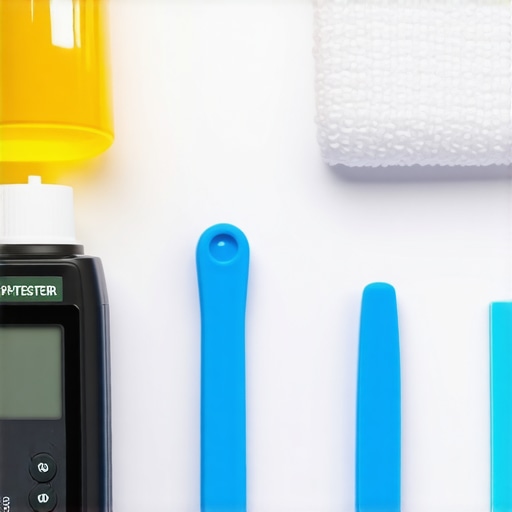
Maintaining pristine condition for your delicate fabrics requires the right tools and a strategic approach. One of my go-to equipment investments is a professional-grade steam cleaner, which I personally use to pre-treat stubborn wrinkles and refresh fabrics before handing items over to my trusted dry cleaner. This step ensures that the cleaning process is more effective and reduces stress on fabrics like silk and organic cotton. Additionally, I rely on a fabric-specific pH tester to assess if the cleaning environment maintains the proper acidity levels, vital for preserving natural fibers over time. According to textile preservation experts, maintaining the appropriate pH balance during cleaning significantly prolongs fabric integrity and color vibrancy, which I highly recommend exploring for your wardrobe in Lutz.
Moreover, I leverage advanced stain removal pens for quick spot treatments at home, especially on fabrics like curtains and comforters that are harder to handle once soiled. These pens are invaluable for preventing stains from setting, making subsequent professional cleaning more successful. When it comes to the actual cleaning process, I always opt for dry cleaners that utilize eco-friendly solvents, as seen at eco-friendly dry cleaning in Tampa. The use of safer, sustainable solvents like liquid silicone not only protects your fabrics but also aligns with future trends toward greener garment care—something I believe will become standard in the industry soon.
How do I maintain my garments over time?
Consistent check-ins and proper storage are key. For example, after cleaning, I store delicate items in acid-free tissue paper inside breathable garment bags to prevent yellowing and fabric stiffening. Regular inspections for signs of wear or discoloration help catch issues early, prolonging the lifespan of your wardrobe staples. I also schedule annual preservation treatments for heirloom pieces like bridal gowns, ensuring they stay as beautiful as the day they were purchased. For those curious about long-term preservation, professional bridal gown preservation in Trinity offers excellent options that extend their beauty for generations.
In terms of future trends, I foresee increasingly sophisticated tools like AI-powered fabric analyzers that will custom-tailor cleaning protocols based on fabric composition and contamination levels, reducing human error and further enhancing garment longevity. For now, investing in high-quality tools and trusted eco-friendly methods remains essential—so try using that fabric pH tester I mentioned and improve your garment care routine today!
Lessons Only A Seasoned Dryer Would Share
My journey through eco-friendly dry cleaning revealed that patience and curiosity are essential. Discovering that many so-called green solvents still harbor hidden chemicals was a lightbulb moment. It taught me to look beyond labels and certifications, trusting my own research and experience. The toughest lesson: true preservation of delicate fabrics demands more than just a surface-level approach; it requires ongoing learning and skepticism of marketing promises, especially in niche services like eco-friendly dry cleaning in Tampa.
Another realization was that personal involvement makes a difference. Prepping garments correctly—like unfastening delicate buttons and checking for debris—is a small effort that pays big dividends. Overlooking these steps can undo diligent cleaning efforts, especially with fabrics like silk or vintage linens I highly value. It’s about becoming an informed participant rather than a passive customer, which elevates the entire garment care process.
Finally, integrating advanced tools—like pH testers and stain removal pens—transformed how I approach routine maintenance. These tools empower me to catch issues early and tailor my actions, ensuring longevity for heirlooms and everyday favorites alike. Embracing technological aids alongside traditional wisdom is the future of lasting garment preservation, blending science with instinct in a way that benefits our wardrobe investments.