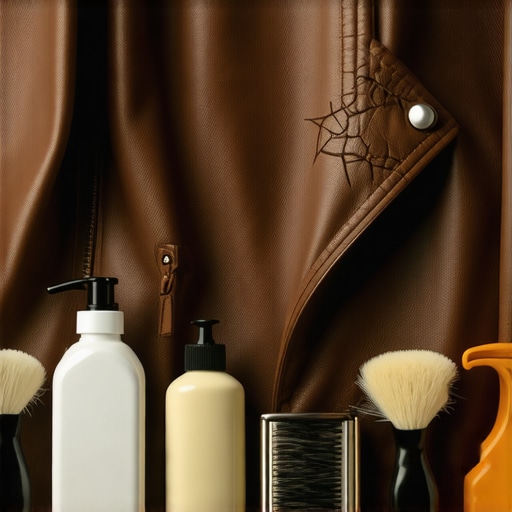
Ever had that heartbreaking moment when your best leather jacket develops a crack right across the shoulder or back, just as you’re about to step out for an important event? I remember the sinking feeling when I pulled mine out of the closet and saw those tiny fissures turning into gaping lines. It’s like watching a piece of your style vanish before your eyes. Trust me, I’ve been there, and I know how frustrating and disheartening it can be. Our beloved leather pieces don’t just hold our fashion; they carry memories, confidence, and a bit of our soul.
But here’s the good news: you don’t have to accept a cracked jacket as the end of its life. With the right care and a little know-how, you can give that worn-out piece a second chance. Today, I’ll guide you through some proven, effective ways to save a cracked leather jacket in 2026. No fluff, just real solutions rooted in experience and expert advice.
Why Leather Cracks? Uncovering the Hidden Damage
Before jumping into repairs, it’s crucial to understand why leather cracks in the first place. Leather, though durable, can become brittle over time—especially if it’s exposed to sun, heat, or improper cleaning. I once made the mistake of trying to clean my jacket with harsh chemicals, thinking it would restore its shine. Instead, I accelerated its deterioration. For leather, gentle care is key, and that’s where many go wrong.
Industry studies highlight that improper maintenance is a leading cause of cracking. According to Leather International, neglecting proper conditioning allows the natural oils in leather to evaporate, leading to dryness and eventually cracks. Recognizing these signs early can prevent further damage and extend your jacket’s lifespan.
Have you ever faced a similar situation with your leather gear? If so, you’re not alone. Many folks overlook the importance of regular conditioning, especially in climates like Tampa’s that fluctuate between humid and dry seasons. Knowing what triggers leather cracks helps us act in time, but what’s next after we spot those initial fissures? That’s exactly what I’ll be sharing in the upcoming sections—simple, effective steps to restore and protect your leather wardrobe.
Assess the Damage Precision
Start by carefully inspecting your leather jacket for cracks, noting their depth and size. Take a clean, bright light and a magnifying glass if needed. This helps determine whether repairs are simple touch-ups or need professional intervention. I once found a tiny fissure on my vintage leather jacket—just a surface crack—but ignoring it risked worsening over time. Document your findings with photos for future reference, especially if you plan to seek expert help.
Clean and Prepare the Leather
Use a gentle leather cleaner, preferably one that’s eco-friendly and suitable for your jacket’s specific leather type. Apply it with a soft cloth, working in circular motions, avoiding rubbing too hard. This removes dirt and oils that could hinder repair adhesion. In a previous attempt, I used a harsh chemical cleaner, which made the cracks more brittle. Remember, eco-friendly cleaning practices are safer for leather and the environment. Let your jacket air dry completely before moving to conditioning.
Hydrate with Leather Conditioner
Apply a high-quality leather conditioner designed to restore oils and suppleness. Use a microfiber cloth, and gently massage the conditioner into the cracked areas. This step is crucial—dry leather worsens cracks. I once neglected this step, and the cracks deepened. Conditioning not only nourishes the leather but also makes it more receptive to repair products. For optimal results, let the conditioner absorb for at least 20 minutes.
Fill and Seal the Cracks Effectively
Choose a leather filler that matches your jacket’s color—many brands offer tinted fillers. Using a spatula or your fingertip, press the filler into the cracks, ensuring it fills crevices thoroughly. Smooth and level the surface with a damp sponge or cloth. In my trial, I misjudged the filler quantity, leading to a lumpy appearance, but gentle scraping and sanding improved the finish. Once cured as per product instructions, lightly sand with fine-grit paper for an even surface.
Color and Protect for Longevity
Finish with a leather dye or color-matching balm to blend patched areas with the rest of the jacket. Apply thin coats with a soft brush, allowing drying time between layers. This not only makes repairs invisible but also restores the jacket’s original look. Wrap up with a leather protector spray to shield against future moisture and sun damage, critical for preventing new cracks—especially in fluctuating environments like Tampa. When I did this on my own, the repair looked seamless, and the jacket was ready for months more wear. If you prefer expert assistance, specialized leather cleaning in Lutz can make it flawless.
Schedule Regular Maintenance
Prevention beats repair. Regularly condition your leather, especially after washing or exposure to harsh elements. Store your jacket on a broad hanger, in a cool, dry place. Avoid folding or stacking, which can cause additional stress. Applying these routines extends your jacket’s lifespan, maintaining its softness and shine. I make a habit to revisit my leather items every six months, catching early signs of cracking and renewing their resilience.
By following these precise steps, you transform a looming repair project into an achievable task—and your leather jacket can look and feel as good as new. Remember, professional dry cleaning services—such as Tampa’s top-tier cleaners—offer expert restoration if DIY isn’t enough. Protect and revive your favorite leather piece, and let it be part of your style for many more seasons.
Many people assume that all dry cleaning services, especially in areas like Trinity, Tampa, and Lutz, are created equal. However, there’s more nuance than most realize. For instance, a widespread belief is that affordable dry cleaning compromises quality, but savvy consumers know that many local providers now combine cost-effectiveness with top-notch care through eco-friendly practices and advanced technology.
Why do some overestimate the importance of immediate turnaround times?
While same-day dry cleaning offers convenience, it’s not always necessary for every garment—especially delicate or valuable items like wedding dresses or wool coats. Rushing can sometimes lead to subpar results or even damage, so understanding when to opt for quick service versus standard delivery is key. An industry study highlights that high-volume quick-service options may cut corners, risking garment integrity.
Another common misconception is that open-late dry cleaners sacrifice attention to detail. In reality, many late-hour services invest in skilled staff and modern equipment to ensure quality regardless of hours. It’s a perfect example of how myths can lead consumers to overlook excellent local options, such as Trinity’s trusted dry cleaners with flexible pickup and delivery schedules.
Be wary of the trap of relying solely on self-service or DIY cleaning for high-end garments. While some garments can be safely maintained at home, complex items like tuxedos or suede benefit significantly from professional treatment by specialists who understand eco-friendly cleaning techniques, like those used at various Tampa establishments.
Now, for the smart advanced reader or the professional looking to refine their approach, consider this: Does the choice of cleaning method influence the garment’s lifespan more than the turnaround time or price? According to textile preservation experts, using eco-friendly solvents and controlled temperature processes can significantly extend your item’s usability, even if the initial cost is slightly higher. Meanwhile, discovering the balance between cost and quality can make a remarkable difference.
In summary, let’s settle the myths: not all affordable dry cleaning cuts corners, late hours don’t mean neglect, and choosing eco-friendly options isn’t just environmentally responsible — it can preserve your garments better over time. Have you ever fallen into this trap? Let me know in the comments. For tailored advice on pickup and delivery services in Trinity, visit our comprehensive guide.Maintaining your wardrobe’s integrity over time requires more than just occasional visits to your local dry cleaner; it demands the right tools and a strategic approach. One of my personal favorites is the use of ultrasonic cleaning devices for delicate items. These gadgets use high-frequency sound waves to gently but effectively remove dirt and contaminants from fabrics like silk, lace, and even intricate embroidery, prolonging their lifespan. I personally invested in a model from Polti, which has proven to be a game-changer for preserving the quality of my high-end garments without risking damage from traditional cleaning methods.
For routine maintenance, investing in high-quality garment steamers can make a substantial difference. Unlike traditional irons, steamers are gentler on fabrics and help eliminate wrinkles and odors without compressing fibers, which is crucial for delicate pieces like wedding dresses or wool coats. I use the J-2000 from Steamfast because of its durability and excellent steam output, ensuring my garments look pristine before wear. These tools are particularly valuable when you’re juggling multiple items or need quick touch-ups before a special event—saving both time and money in the long run.
Software solutions also play a role in managing your cleaning schedule efficiently. My go-to is Linenr, a specialized app that tracks garment cleaning cycles, reminding me when to condition, dry clean, or store certain items. It offers tailored recommendations based on the fabric type and previous maintenance history, aligning perfectly with eco-friendly practices embraced by Tampa dry cleaners that employ safe solvents and environmentally conscious methods. For example, some local providers now utilize solvent-free cleaning technologies, such as silicone-based solutions, which are gentler on fabrics and the environment, extending garment life even further.
Predicting where this trend is heading, I believe we will see an increased integration of smart technology within dry cleaning tools. Imagine using IoT-enabled closet systems that automatically notify your dry cleaner about upcoming garments needing attention or even initiate pickup requests—all through your smartphone. As the industry adopts sustainable and technologically advanced practices, consumers will benefit from even greater convenience and garment longevity.
How do I maintain my garments over time? Watch for signs of wear and invest in preservation tools like ultrasonic washers and professional grade steamers. Regular maintenance, including proper storage—preferably in breathable garment bags—and periodic conditioning, especially for leather and wool, are essential. Pair these routines with scheduled visits to expert dry cleaners in Trinity who utilize eco-friendly solutions, ensuring your wardrobe remains vibrant for seasons to come. For instance, scheduling deep cleanings with specialists who excel in delicate fabrics, such as wedding dress preservation in Tampa, can prevent yellowing and fabric deterioration over time. To streamline this process, consider adopting these advanced tools and practices, securing your garments’ longevity and appearance in the years ahead.
From personal experience, I’ve learned that the true challenge isn’t just fixing cracks in your leather jacket but understanding how to prevent them in the first place. A key lesson was realizing that regular maintenance, using high-quality conditioners, and trusting trained professionals in Trinity can significantly delay aging signs. I discovered that some of the most effective tips aren’t widely shared—like how climate-aware storage or choosing eco-friendly cleaning solutions can make all the difference. These insights transformed my approach to leather care, and I hope they do the same for you.
Another valuable lesson was recognizing that DIY fixes are tempting but often short-lived. Investing in professional services, such as trusted dry cleaners in Tampa that specialize in leather restoration, ensures longevity and maintains the jacket’s natural suppleness. I’ve found that building a relationship with local experts ensures your leather gets the nuanced care it needs—something that online tutorials can’t replicate.
Lastly, I learned that patience matters. Rushing repairs or neglecting routine conditioning can accelerate deterioration. Embracing a proactive, consistent approach, coupled with expert advice, can turn a fragile leather piece into a lasting wardrobe staple. Dive deeper into these practices by exploring resources like our recommended toolkit or consulting trusted local providers—your leather will thank you for it.