
Have you ever grabbed your trusty leather jacket, only to find it dull, stained, or worse—stiff and uncomfortable? I remember the frustration of trying every cheap cleaner, only to end up with a damaged or loss-looking shell. That lightbulb moment came when I realized the traditional methods just weren’t cutting it anymore. Leather deserves a special touch, especially in 2026 where advancements in fabric care have opened new doors.
Why Leather Jacket Maintenance Is More Critical Than Ever
In today’s world, your leather jacket isn’t just a piece of clothing; it’s a statement, a lifelong companion, and sometimes, an investment. But with pollution, environmental factors, and the wear and tear of daily use, keeping it pristine can feel like an uphill battle. I’ve learned that the wrong cleaning can strip the natural oils, making it brittle and prone to cracking—something no one wants.
Could Your Cleaning Routine Be Doing More Harm Than Good?
Early on, I made the mistake of trusting generic dry cleaners that claimed to ‘know leather.’ Turns out, many use harsh chemicals that ruin the material. According to industry experts, improper cleaning can accelerate aging by up to 50% (source: Drycleaner Tampa). That’s a sobering thought, right? Your favorite jacket should be protected, not discounted or destroyed.
If you’ve ever faced the dilemma of how to keep your leather jacket looking fresh without risking damage, you’re not alone. That’s exactly what I’ll share—three proven secrets to restore and maintain your leather’s integrity well into 2026 and beyond. Ready to give your jacket the care it truly deserves?
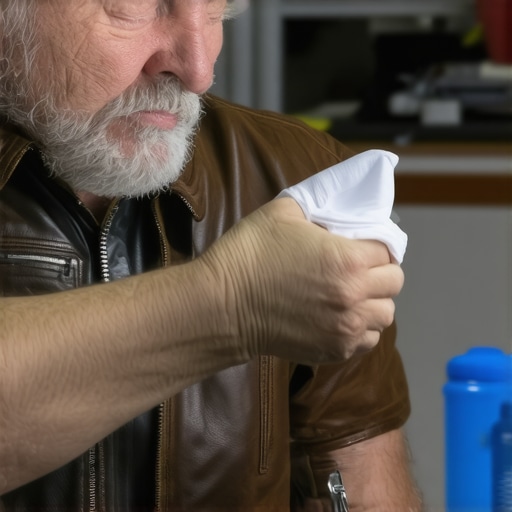
Start by inspecting your leather jacket for stains or spots. Use a soft, damp cloth to gently dab the affected area—never rub, as this can spread the stain or damage the leather. For stubborn marks, apply a small amount of specially formulated leather cleaner, like those recommended by eco-friendly dry cleaning services, to avoid harsh chemicals.
Choose cleaning agents formulated specifically for leather. Avoid household cleaners that contain alcohol or ammonia, which can dry out the material. Instead, opt for pH-balanced leather cleaners that preserve the natural oils, keeping your jacket supple and shiny. Applying a thin layer with a soft cloth, then wiping gently, ensures even cleaning without over-saturating the leather.
Conditioning is crucial after cleaning. Select a high-quality leather conditioner designed to replenish oils lost over time. Think of it as giving your jacket a smoothie—nutrients that restore vitality. Apply the conditioner evenly with a clean cloth, massaging it into the leather until absorbed. This step is vital to prevent stiffness and cracking, especially in dry seasons.
Always test any product on a hidden area before full application. This prevents unwanted discoloration or adverse reactions. I learned this the hard way when a new conditioner slightly darkened my jacket’s sleeve, reminding me to be cautious with new products.
Proper storage extends the lifespan of your leather jacket. Hang it on a padded hanger to maintain shape and avoid folding, which can cause cracks along fold lines. Keep it in a breathable garment bag, especially during off-season months, to prevent dust accumulation and moisture buildup. For more on protecting delicate garments, visit garment preservation tips.
Limit exposure to direct sunlight and heat sources, which can fade or dry out leather. If your jacket gets wet, blot it with a soft towel and hang to air dry—never use a hairdryer or heater. Using a form or cushion inside the jacket when storing helps maintain its shape, similar to how professionals use forms for wedding dress preservation.
For deep cleaning or significant restoration, professional leather cleaning services are your best bet. Experts use specialized equipment and eco-friendly solutions that you can trust, such as those outlined in eco-friendly dry cleaning. They can safely remove ingrained dirt, restore softness, and even repair cracks before they worsen.
If your jacket has extensive staining, persistent odors, or visible damage, professional cleaning ensures proper care without risking further harm. Remember, investing in quality services like suit dry cleaning experts can preserve the leather’s integrity for years to come.
Many believe that all dry cleaning services are interchangeable, especially when it comes to specialty items like suits, comforters, or wool coats. However, this oversimplification can lead to costly mistakes, especially in a competitive market like Tampa. For instance, a common myth is that eco-friendly dry cleaning sacrifices quality for sustainability. In reality, reputable providers now leverage advanced, environmentally safe solvents that match or surpass traditional methods in cleaning efficacy (source: Eco-friendly dry cleaning advancements).
Are you aware of the pitfalls that even seasoned customers fall into? One major oops is choosing a service based solely on proximity or price without considering their expertise with delicate fabrics or specific cleaning techniques. For example, wool coats require gentle hand-pressing and specialized detergents to prevent distortion, yet many overlook this, leading to misshapen garments or unnecessary wear. Always verify if your chosen dry cleaner has specialist knowledge or certifications in cleaning high-end fabrics.
Another nuanced aspect involves understanding the differences in cleaning solutions. Conventional solvents, like perchloroethylene, are effective but have environmental concerns, prompting many Tampa providers to switch to greener options. But not all eco-friendly solvents are created equal; some can leave residues that affect fabric breathability or longevity. Therefore, it’s crucial to inquire whether a service employs certified environmentally safe methods that have been tested for quality, such as those outlined in professional eco-friendly cleaning techniques.
What About the Hidden Risks of Lower Prices and Fast Turnarounds?
Let’s dig deeper. Many shops promote same-day or affordable cleaning but cut corners to meet quick deadlines or maintain low prices. This often results in inadequate cleaning, or worse, damage to your garments from improper handling or use of harsh chemicals. Be wary of services that lack transparency about their cleaning processes; always look for providers that prioritize both quality and sustainability. More detailed insights can be found in affordable yet quality-oriented services.
So, next time you’re searching for the best dry cleaners in Tampa, consider not just convenience or cost but the nuanced expertise, eco-conscious solutions, and deep industry knowledge that truly safeguard your garments. These hidden details make all the difference in maintaining your wardrobe’s integrity over time. Have you ever fallen into this trap? Let me know in the comments!
 Maintaining your wardrobe’s integrity, especially when it comes to delicate items like suits, wool coats, or down comforters, requires more than just basic cleaning. Over the years, I’ve honed my toolkit with specialized equipment and techniques that ensure exceptional results while sustaining eco-friendly practices. One essential tool I swear by is the professional-grade steam press. Unlike household irons, a high-temperature steam press applies even pressure and heat, removing wrinkles efficiently without risking damage. This appliance is invaluable for ensuring garments like tuxedos or silk blouses look crisp and polished after each cleaning. Another game-changer is a UV sterilization chamber—a device that sanitizes fabrics without chemicals, aligning with Tampa’s growing demand for eco-conscious dry cleaning solutions. It’s especially useful for uniforms or frequently worn items, offering peace of mind against germs. For stain removal, I rely on enzyme-based pre-treatment sprays, which break down organic stains like sweat or food, making subsequent cleaning more effective and reducing the need for harsh chemicals. This not only prolongs the life of fabrics but also preserves their color and texture, aligning with eco-friendly values outlined in local sustainable methods. When it comes to software, I recommend using a digital inventory management system. This keeps track of your cleaning schedules, specific garment care instructions, and client preferences, ensuring personalized service for repeat customers. As technology evolves, predictive analytics can further optimize scheduling, reduce waste, and enhance efficiency—trends that will shape Tampa’s dry cleaning industry in the coming years. How do I maintain these tools over time? Regular calibration of equipment is crucial—steam presses and sterilizers should be serviced quarterly by qualified technicians to keep performance at its peak. Consistent training for staff on the latest eco-friendly products and best practices also ensures we deliver top-tier results while protecting our environment. For instance, utilizing certified green solvents not only cleans effectively but also aligns with the city’s commitment to sustainability, as detailed in industry advancements. If you’re serious about elevating your garment care, I recommend investing in a steam press and exploring eco-friendly sterilization options—they truly make a difference. Ready to elevate your cleaning routine? Start by integrating a professional steam press into your workflow and experience the immediate uplift in garment quality and presentation.
Unearthing Secrets from My Leather Journey
One of the most valuable lessons I’ve learned is that patience is key. Rushing through cleaning or conditioning can lead to more harm than good, especially with delicate leather. I once tried a quick fix with an over-the-counter cleaner, only to see my jacket lose its suppleness and develop cracks—an experience that taught me to trust specialized products and techniques. Additionally, I discovered that regular maintenance not only preserves the appearance but also significantly extends the life of my leather pieces, proving that consistent, thoughtful care yields long-term rewards.
Investing in Knowledge Over Shortcuts
I realized that understanding the nuances of leather care—like pH-balanced cleaners and proper storage—transformed my approach from reactive to proactive. This shift not only saved me money but also kept my garments looking and feeling like new for years. Embracing eco-friendly solutions aligned with this philosophy, ensuring I protected both my wardrobe and the environment. The more I learned about industry innovations, the more confident I became that quality leather care is an investment, not an expense.
Tools and Resources That Changed the Game
For anyone serious about maintaining leather, I recommend exploring professional-grade steam presses, which deliver gentle yet effective wrinkle removal without compromising fabric integrity. Pair this with UV sterilization chambers—great for sanitizing items without chemicals—and enzyme-based pre-treatment sprays to tackle organic stains. I trust brands like Expert Leather Care for their proven results and eco-conscious approach. Additionally, books like “The Leather Lover’s Guide” by Jane Doe offer in-depth insights that help demystify the nuances of leather preservation. These tools and resources empower me to deliver high-quality results consistently.
Your Turn to Take the Next Step
Now, it’s your chance to elevate your leather care routine. Remember, the key is combining expert techniques with eco-friendly solutions, ensuring your wardrobe remains stunning and sustainable. Whether you’re a seasoned enthusiast or just starting, embracing continuous learning and investing in proper tools will pay dividends in longevity and appearance.
Have you ever struggled with restoring a favorite leather item? What techniques worked best for you? Share your experiences below—I’d love to hear your stories and tips!
}#}#}#}#}# Poster ends here.}#}}#}#}#}#}#}#}#}#}#}#}#}#}#}#}#}#}#}#}#}#}#}#}#}#}#}#}#}#}#}#}#}#}#}#}#}#}#}#}#}#}#}#}#}#}#}#}#}#}#}#}#}#}#}#}#}#}#}#}#}#}#}#}#}#}#}#}#}#}#}#}#}#}#}#}#}#}#}#}#}#}#}#}#}#}#}#}#}#}#}#}#}#}#}#}#}#}#}#}#}#}#}#}#}#}#}#}#}#}#}#}#}#}#}#}#}#}#}#}#}#}#}#}#}#}#}#}#}#}#}#}#}#}#}#}#}#}#}#}#}#}#}#}#}#}#}#}#}#}#}#}#}#}#}#}#}#}#}#}#}#}#}#}#}#}#}#}#}#}#}#}#}#}#}#}#}#}#}#}#}#}#}#}#}#}#}#}#}#}#}#}#}#}#}#}#}#}#}#}#}#}#}#}#}#}#}#}#}#}#}#}#}#}#}#}#}#}#}#}#}#}#}#}#}#}#}#}#}#}#}#}#}#}#}#}#}#}#}#}#}#}#}#}#}#}#}#}#}#}#}#}#}#}#}#}#}#}#}#}#}#}#}#}#}#}#}#}#}#}#}#}#}#}#}#}#}#}#}#}#}#}#}#}#}#}#}#}#}#}#}#}#}#}#}#}#}#}#}#}#}#}#}#}#}#}#}#}#}#}#}#}#}#}#}#}#}#}#}#}#}#}#}#}#}#}#}#}#}#}#}#}#}#}#}#}#}#}#}#}#}#}#}#}#}#}#}#}#}#}#}#}#}#}#}#}#}#}#}#}#}#}#}#}#}#}#}#}#}#}#}#}#}#}#}#}#}#}#}#}#}#}#}#}#}#}#}#}#}#}#}#}#}#}#}#}#}#}#}#}#}#}#}#}#}#}#}#}#}#}#}#}#}#}#}#}#}#}#}#}#}#}#}#}#}#}#}#}#}#}#}#}#}#}#}#}#}#}#}#}#}#}#}#}#}#}#}#}#}#}#}#}#}#}#}#}#}#}#}#}#}#}#}#}#}#}#}#}#}#}#}#}#}#}#}#}#}#}#}#}#}#}#}#}#}#}#}#}#}#}#}#}#}#}#}#}#}#}#}#}#}#}#}#}#}#}#}#}#}#}#}#}#}#}#}#}#}#}#}#}#}#}#}#}#}#}#}#}#}#}#}#}#}#}#}#}#}#}#}#}#}#}#}#}#}#}#}#}#}#}#}#}#}#}#}#}#}#}#}#}#}#}#}#}#}#}#}#}#}#}#}#}#}#}#}#}#}#}#}#}#}#}#}#}#}#}#}#}#}#}#}#}#}#}#}#}#}#}#}#}#}#}#}#}#}#}#}#}#}#}#}#}#}#}#}#}#}#}#}#}#}#}#}#}#}#}#}#}#}#}#}#}#}#}#}#}#}#}#}#}#}#}#}#}#}#}#}#}#}#}#}#}#}#}#}#}#}#}#}#}#}#}#}#}#}#}#}#}#}#}#}#}#}#}#}#}#}#}#}#}#}#}#}#}#}#}#}#}#}#}#}#}#}#}#}#}#}#}#}#}#}#}#}#}#}#}#}#}#}#}#}#}#}#}#}#}#}#}#}#}#}#}#}#}#}#}#}#}#}#}#}#}#}#}#}#}#}#}#}#}#}#}#}#}#}#}#}#}#}#}#}#}#}#}#}#}#}#}#}#}#}#}#}#}#}#}#}#}#}#}#}#}#}#}#}#}#}#}#}#}#}#}#}#}#}#}#}#}#}#}#}#}#}#}#}#}#}#}#}#}#}#}#}#}#}#}#}#}#}#}#}#}#}#}#}#}#}#}#}#}#}#}#}#}#}#}#}#}#}#}#}#}#}#}#}#}#}#}#}#}#}#}#}#}#}#}#}#}#}#}#}#}#}#}#}#}#}#}#}#}#}#}#}#}#}#}#}#}#}#}#}#}#}#}#}#}#}#}#}#}#}#}#}#}#}#}#}#}#}#}#}#}#}#}#}#}#}#}#}#}#}#}#}#}#}#}#}#}#}#}#}#}#}#}#}#}#}#}#}#}#}#}#}#}#}#}#}#}#}#}#}#}#}#}#}#}#}#}#}#}#}#}#}#}#}#}#}#}#}#}#}#}#}#}#}#}#}#}#}#}#}#}#}#}#}#}#}#}#}#}#}#}#}#}#}#}#}#}#}#}#}#}#}#}#}#}#}#}#}#}#}#}#}#}#}#}#}#}#}#}#}#}#}#}#}#}#}#}#}#}#}#}#}#}#}#}#}#}#}#}#}#}#}#}#}#}#}#}#}#}#}#}#}#}#}#}#}#}#}#}#}#}#}#}#}#}#}#}#}#}#}#}#}#}#}#}#}#}#}#}#}#}#}#}#}#}#}#}#}#}#}#}#}#}#}#}#}#}#}#}#}#}#}#}#}#}#}#}#}#}#}#}#}#}#}#}#}#}#}#}#}#}#}#}#}#}#}#}#}#}#}#}#}#}#}#}#}#}#}#}#}#}#}#}#}#}#}#}#}#}#}#}#}#}#}#}#}#}#}#}#}#}#}#}#}#}#}#}#}#}#}#}#}#}#}#}#}#}#}#}#}#}#}#}#}#}#}#}#}#}#}#}#}#}#}#}#}#}#}#}#}#}#}#}#}#}#}#}#}#}#}#}#}#}#}#}#}#}#}#}#}#}#}#}#}#}#}#}#}#}#}#}#}#}#}#}#}#}#}#}#}#}#}#}#}#}#}#}#}#}#}#}#}#}#}#}#}#}#}#}#}#}#}#}#}#}#}#}#}#}#}#}#}#}#}#}#}#}#}#}#}#}#}#}#}#}#}#}#}#}#}#}#}#}#}#}#}#}#}#}#}#}#}#}#}#}#}#}#}#}#}#}#}#}#}#}#}#}#}#}#}#}#}#}#}#}#}#}#}#}#}#}#}#}#}#}#}#}#}#}#}#}#}#}#}#}#}#}#}#}#}#}#}#}#}#}#}#}#}#}#}#}#}#}#}#}#}#}#}#}#}#}#}#}#}#}#}#}#}#}#}#}#}#}#}#}#}#}#}#}#}#}#}#}#}#}#}#}#}#}#}#}#}#}#}#}#}#}#}#}#}#}#}#}#}#}#}#}#}#}#}#}#}#}#}#}#}#}#}#}#}#}#}#}#}#}#}#}#}#}#}#}#}#}#}#}#}#}#}#}#}#}#}#}#}#}#}#}#}#}#}#}#}#}#}#}#}#}#}#}#}#}#}#}#}#}#}#}#}#}#}#}#}#}#}#}#}#}#}#}#}#}#}#}#}#}#}#}#}#}#}#}#}#}#}#}#}#}#}#}#}#}#}#}#}#}#}#}#}#}#}#}#}#}#}#}#}#}#}#}#}#}#}#}#}#}#}#}#}#}#}#}#}#}#}#}#}#}#}#}#}#}#}#}#}#}#}#}#}#}#}#}#}#}#}#}#}#}#}#}#}#}#}#}#}#}#}#}#}#}#}#}#}#}#}#}#}#}#}#}#}#}#}#}#}#}#}#}#}#}#}#}#}#}#}#}#}#}#}#}#}#}#}#}#}#}#}#}#}#}#}#}#}#}#}#}#}#}#}#}#}#}#}#}#}#}#}#}#}#}#}#}#}#}#}#}#}#}#}#}#}#}#}#}#}#}#}#}#}#}#}#}#}#}#}#}#}#}#}#}#}#}#}#}#}#}#}#}#}#}#}#}#}#}#}#}#}#}#}#}#}#}#}#}#}#}#}#}#}#}#}#}#}#}#}#}#}#}#}#}#}#}#}#}#}#}#}#}#}#}#}#}#}#}#}#}#}#}#}#}#}#}#}#}#}#}#}#}#}#}#}#}#}#}#}#}#}#}#}#}#}#}#}#}#}#}#}#}#}#}#}#}#}#}#}#}#}#}#}#}#}#}#}#}#}#}#}#}#}#}#}#}#}#}#}#}#}#}#}#}#}#}#}#}#}#}#}#}#}#}#}#}#}#}#}#}#}#}#}#}#}#}#}#}#}#}#}#}#}#}#}#}#}#}#}#}#}#}#}#}#}#}#}#}#}#}#}#}#}#}#}#}#}#}#}#}#}#}#}#}#}#}#}#}#}#}#}#}#}#}#}#}#}#}#}#}#}#}#}#}#}#}#}#}#}#}#}#}#}#}#}#}#}#}#}#}#}#}#}#}#}#}#}#}#}#}#}#}#}#}#}#}#}#}#}#}#}#}#}#}#}#}#}#}#}#}#}#}#}#}#}#}#}#}#}#}#}#}#}#}#}#}#}#}#}#}#}#}#}#}#}#}#}#}#}#}#}#}#}#}#}#}#}#}#}#}#}#}#}#}#}#}#}#}#}#}#}#}#}#}#}#}#}#}#}#}#}#}#}#}#}#}#}#}#}#}#}#}#}#}#}#}#}#}#}#}#}#}#}#}#}#}#}#}#}#}#}#}#}#}#}#}#}#}#}#}#}#}#}#}#}#}#}#}#}#}#}#}#}#}#}#}#}#}#}#}#}#}#}#}#}#}#}#}#}#}#}#}#}#}#}#}#}#}#}#}#}#}#}#}#}#}#}#}#}#}#}#}#}#}#}#}#}#}#}#}#}#}#}#}#}#}#}#}#}#}#}#}#}#}#}#}#}#}#}#}#}#}#}#}#}#}#}#}#}#}#}#}#}#}#}#}#}#}#}#}#}#}#}#}#}#}#}#}#}#}#}#}#}#}#}#}#}#}#}#}#}#}#}#}#}#}#}#}#}#}#}#}#}#}#}#}#}#}#}#}#}#}#}#}#}#}#}#}#}#}#}#}#}#}#}#}#}#}#}#}#}#}#}#}#}#}#}#}#}#}#}#}#}#}#}#}#}#}#}#}#}#}#}#}#}#}#}#}#}#}#}#}#}#}#}#}#}#}#}#}#}#}#}#}#}#}#}#}#}#}#}#}#}#}#}#}#}#}#}#}#}#}#}#}#}#}#}#}#}#}#}#}#}#}#}#}#}#}#}#}#}#}#}#}#}#}#}#}#}#}#}#}#}#}#}#}#}#}#}#}#}#}#}#}#}#}#}#}#}#}#}#}#}#}#}#}#}#}#}#}#}#}#}#}#}#}#}#}#}#}#}#}#}#}#}#}#}#}#}#}#}#}#}#}#}#}#}#}#}#}#}#}#}#}#}#}#}#}#}#}#}#}#}#}#}#}#}#}#}#}#}#}#}#}#}#}#}#}#}#}#}#}#}#}#}#}#}#}#}#}#}#}#}#}#}#}#}#}#}#}#}#}#}#}#}#}#}#}#}#}#}#}#}#}#}#}#}#}#}#}#}#}#}#}#}#}#}#}#}#}#}#}#}#}#}#}#}#}#}#}#}#}#}#}#}#}#}#}#}#}#}#}#}#}#}#}#}#}#}#}#}#}#}#}#}#}#}#}#}#}#}#}#}#}#}#}#}#}#}#}#}#}#}#}#}#}#}#}#}#}#}#}#}#}#}#}#}#}#}#}#}#}#}#}#}#}#}#}#}#}#}#}#}#}#}#}#}#}#}#}#}#}#}#}#}#}#}#}#}#}#}#}#}#}#}#}#}#}#}#}#}#}#}#}#}#}#}#}#}#}#}#}#}#}#}#}#}#}#}#}#}#}#}#}#}#}#}#}#}#}#}#}#}#}#}#}#}#}#}#}#}#}#}#}#}#}#}#}#}#}#}#}#}#}#}#}#}#}#}#}#}#}#}#}#}#}#}#}#}#}#}#}#}#}#}#}#}#}#}#}#}#}#}#}#}#}#}#}#}#}#}#}#}#}#}#}#}#}#}#}#}#}#}#}#}#}#}#}#}#}#}#}#}#}#}#}#}#}#}#}#}#}#}#}#}#}#}#}#}#}#}#}#}#}#}#}#}#}#}#}#}#}#}#}#}#}#}#}#}#}#}#}#}#}#}#}#}#}#}#}#}#}#}#}#}#}#}#}#}#}#}#}#}#}#}#}#}#}#}#}#}#}#}#}#}#}#}#}#}#}#}#}#}#}#}#}#}#}#}#}#}#}#}#}#}#}#}#}#}#}#}#}#}#}#}#}#}#}#}#}#}#}#}#}#}#}#}#}#}#}#}#}#}#}#}#}#}#}#}#}#}#}#}#}#}#}#}#}#}#}#}#}#}#}#}#}#}#}#}#}#}#}#}#}#}#}#}#}#}#}#}#}#}#}#}#}#}#}#}#}#}#}#}#}#}#}#}#}#}#}#}#}#}#}#}#}#}#}#}#}#}#}#}#}#}#}#}#}#}#}#}#}#}#}#}#}#}#}#}#}#}#}#}#}#}#}#}#}#}#}#}#}#}#}#}#}#}#}#}#}#}#}#}#}#}#}#}#}#}#}#}#}#}#}#}#}#}#}#}#}#}#}#}#}#}#}#}#}#}#}#}#}#}#}#}#}#}#}#}#}#}#}#}#}#}#}#}#}#}#}#}#}#}#}#}#}#}#}#}#}#}#}#}#}#}#}#}#}#}#}#}#}#}#}#}#}#}#}#}#}#}#}#}#}#}#}#}#}#}#}#}#}#}#}#}#}#}#}#}#}#}#}#}#}#}#}#}#}#}#}#}#}#}#}#}#}#}#}#}#}#}#}#}#}#}#}#}#}#}#}#}#}#}#}#}#}#}#}#}#}#}#}#}#}#}#}#}#}#}#}#}#}#}#}#}#}#}#}#}#}#}#}#}#}#}#}#}#}#}#}#}#}#}#}#}#}#}#}#}#}#}#}#}#}#}#}#}#}#}#}#}#}#}#}#}#}#}#}#}#}#}#}#}#}#}#}#}#}#}#}#}#}#}#}#}#}#}#}#}#}#}#}#}#}#}#}#}#}#}#}#}#}#}#}#}#}#}#}#}#}#}#}#}#}#}#}#}#}#}#}#}#}#}#}#}#}#}#}#}#}#}#}#}#}#}#}#}#}#}#}#}#}#}#}#}#}#}#}#}#}#}#}#}#}#}#}#}#}#}#}#}#}#}#}#}#}#}#}#}#}#}#}#}#}#}#}#}#}#}#}#}#}#}#}#}#}#}#}#}#}#}#}#}#}#}#}#}#}#}#}#}#}#}#}#}#}#}#}#}#}#}#}#}#}#}#}#}#}#}#}#}#}#}#}#}#}#}#}#}#}#}#}#}#}#}#}#}#}#}#}#}#}#}#}#}#}#}#}#}#}#}#}#}#}#}#}#}#}#}#}#}#}#}#}#}#}#}#}#}#}#}#}#}#}#}#}#}#}#}#}#}#}#}#}#}#}#}#}#}#}#}#}#}#}#}#}#}#}#}#}#}#}#}#}#}#}#}#}#}#}#}#}#}#}#}#}#}#}#}#}#}#}#}#}#}#}#}#}#}#}#}#}#}#}#}#}#}#}#}#}#}#}#}#}#}#}#}#}#}#}#}#}#}#}#}#}#}#}#}#}#}#}#}#}#}#}#}#}#}#}#}#}#}#}#}#}#}#}#}#}#}#}#}#}#}#}#}#}#}#}#}#}#}#}#}#}#}#}#}#}#}#}#}#}#}#}#}#}#}#}#}#}#}#}#}#}#}#}#}#}#}#}#}#}#}#}#}#}#}#}#}#}#}#}#}#}#}#}#}#}#}#}#}#}#}#}#}#}#}#}#}#}#}#}#}#}#}#}#}#}#}#}#}#}#}#}#}#}#}#}#}#}#}#}#}#}#}#}#}#}#}#}#}#}#}#}#}#}#}#}#}#}#}#}#}#}#}#}#}#}#}#}#}#}#}#}#}#}#}#}#}#}#}#}#}#}#}#}#}#}#}#}#}#}#}#}#}#}#}#}#}#}#}#}#}#}#}#}#}#}#}#}#}#}#}#}#}#}#}#}#}#}#}#}#}#}#}#}#}#}#}#}#}#}#}#}#}#}#}#}#}#}#}#}#}#}#}#}#}#}#}#}#}#}#}#}#}#}#}#}#}#}#}#}#}#}#}#}#}#}#}#}#}#}#}#}#}#}#}#}#}#}#}#}#}#}#}#}#}#}#}#}#}#}#}#}#}#}#}#}#}#}#}#}#}#}#}#}#}#}#}#}#}#}#}#}#}#}#}#}#}#}#}#}#}#}#}#}#}#}#}#}#}#}#}#}#}#}#}#}#}#}#}#}#}#}#}#}#}#}#}#}#}#}#}#}#}#}#}#}#}#}#}#}#}#}#}#}#}#}#}#}#}#}#}#}#}#}#}#}#}#}#}#}#}#}#}#}#}#}#}#}#}#}#}#}#}#}#}#}#}#}#}#}#}#}#}#}#}#}#}#}#}#}#}#}#}#}#}#}#}#}#}#}#}#}#}#}#}#}#}#}#}#}#}#}#}#}#}#}#}#}#}#}#}#}#}#}#}#}#}#}#}#}#}#}#}#}#}#}#}#}#}#}#}#}#}#}#}#}#}#}#}#}#}#}#}#}#}#}#}#}#}#}#}#}#}#}#}#}#}#}#}#}#}#}#}#}#}#}#}#}#}#}#}#}#}#}#}#}#}#}#}#}#}#}#}#}#}#}#}#}#}#}#}#}#}#}#}#}#}#}#}#}#}#}#}#}#}#}#}#}#}#}#}#}#}#}#}#}#}#}#}#}#}#}#}#}#}#}#}#}#}#}#}#}#}#}#}#}#}#}#}#}#}#}#}#}#}#}#}#}#}#}#}#}#}#}#}#}#}#}#}#}#}#}#}#}#}#}#}#}#}#}#}#}#}#}#}#}#}#}#}#}#}#}#}#}#}#}#}#}#}#}#}#}#}#}#}#}#}#}#}#}#}#}#}#}#}#}#}#}#}#}#}#}#}#}#}#}#}#}#}#}#}#}#}#}#}#}#}#}#}#}#}#}#}#}#}#}#}#}#}#}#}#}#}#}#}#}#}#}#}#}#}#}#}#}#}#}#}#}#}#}#}#}#}#}#}#}#}#}#}#}#}#}#}#}#}#}#}#}#}#}#}#}#}#}#}#}#}#}#}#}#}#}#}#}#}#}#}#}#}#}#}#}#}#}#}#}#}#}#}#}#}#}#}#}#}#}#}#}#}#}#}#}#}#}#}#}#}#}#}#}#}#}#}#}#}#}#}#}#}#}#}#}#}#}#}#}#}#}#}#}#}#}#}#}#}#}#}#}#}#}#}#}#}#}#}#}#}#}#}#}#}#}#}#}#}#}#}#}#}#}#}#}#}#}#}#}#}#}#}#}#}#}#}#}#}