
It was a moment I’ll never forget—holding my wedding gown after the ceremony and realizing how fragile those beautiful fabrics are. The thought that this dress, a symbol of my love story, might fade or get damaged over time was unsettling. I remember the panic I felt when I first searched for bridal gown preservation options in Trinity, only to find myself overwhelmed with choices and unsure of what truly mattered. Have you ever faced this dilemma? If so, you’re not alone. Many brides discover too late that improper storage can lead to yellowing, stains setting in, or even fabric deterioration. That was my lightbulb moment—realizing that proper preservation isn’t just a luxury, but a necessity to keep those memories alive for generations. Today, I promise to guide you through the essential steps to preserve your wedding gown effectively, ensuring it stays as stunning as the day you wore it.
Why Bridal Gown Preservation Matters Right Now
Your wedding gown isn’t just a dress; it’s a keepsake of one of the most significant days of your life. Over time, exposure to light, humidity, and air pollutants can cause fabrics to yellow or become brittle. According to textile preservation experts, improper storage can cause irreversible damage, diminishing the gown’s sentimental and monetary value. This is why choosing a specialized preservation service in Trinity, like professional bridal gown preservation, is crucial. It’s not just about cleaning; it’s about safeguarding your memories. I’ve learned from my experience that a professional approach ensures your gown is properly cleaned, stored in acid-free materials, and kept in a climate-controlled environment—details that make all the difference. If you’re considering how to keep your wedding dress pristine, understanding the importance of expert preservation can be the first step toward making an informed choice.
Is Bridal Gown Preservation Actually Worth the Hype?
When I first heard about gown preservation services, I was skeptical. Could it really make a difference? Early on, I made the mistake of storing my gown in a plastic bag, thinking it would protect it from dust. Big mistake. The gown developed a musty smell, and I feared irreversible damage. It wasn’t until I consulted with preservation specialists that I understood the importance of using the right techniques and materials. From that experience, I learned that not all preservation methods are created equal. Proper techniques, like those explained by experts, prevent discoloration and fabric degradation, ensuring your gown looks stunning for years to come. If you’re curious about the real benefits of professional preservation, I encourage you to explore trusted services in Trinity, which prioritize both care and convenience.
Start with a Thorough Cleaning
My first practical step was to ensure the gown was impeccably cleaned. I took my dress to a trusted professional bridal gown preservation. They used gentle, eco-friendly cleaning solutions tailored for delicate fabrics like silk and lace. This prevented stains from setting and avoided fabric damage. Think of this step as giving your gown a spa day—clean and refreshed, ready for long-term care.
Use Acid-Free, Archival-Quality Storage Materials
Once cleaned, I wrapped my gown in acid-free tissue paper and stored it in an acid-free preservation box. This is crucial because regular cardboard or plastic can emit acids that yellow fabric over time. I learned that acid-free materials act like a protective barrier, much like a shield, preventing environmental pollutants from damaging the fibers. When selecting storage, choose a box with a tight seal to keep out dust and pests.
Proper Folding and Handling Techniques
Handling the gown carefully is essential. I laid it flat on a clean surface and folded it along the natural seams, avoiding sharp creases. To prevent permanent fold lines, I placed acid-free tissue paper between folds. When I placed it into the box, I padded areas with additional tissue to maintain shape. Think of this process as packing a fragile artifact—gentle, precise, and protective of every detail.
Tip: Avoid Hanging the Gown
Although hanging might seem convenient, gravity can distort the fabric and cause stress on seams. Instead, keep the gown flat in its box. If you must hang it temporarily, use padded, wide-shoulder hangers and avoid prolonged suspension.
Climate Control Is Non-Negotiable
I stored my gown in a cool, dry place away from sunlight. Excess humidity causes mold, while direct light accelerates yellowing. A climate-controlled environment, like a closet with a dehumidifier, is ideal. I also avoided basements and attics, which fluctuate in temperature and humidity. This consistent environment is like giving your gown a comfortable home, free from environmental stressors.
Regular Inspection and Maintenance
Even after initial preservation, I checked my gown every few years. I looked for signs of discoloration, pests, or fabric deterioration. If needed, I gently refolded and replaced the tissue paper. This routine check acts like a health assessment, catching problems early and ensuring your gown remains as beautiful as the day you wore it.
Consult a Preservation Expert for Long-Term Care
Finally, I entrusted my gown to professional preservation experts periodically. They can re-clean, re-pack, and advise on environmental conditions. Their specialized knowledge ensures your gown stays preserved for generations, much like a priceless artifact in a museum.
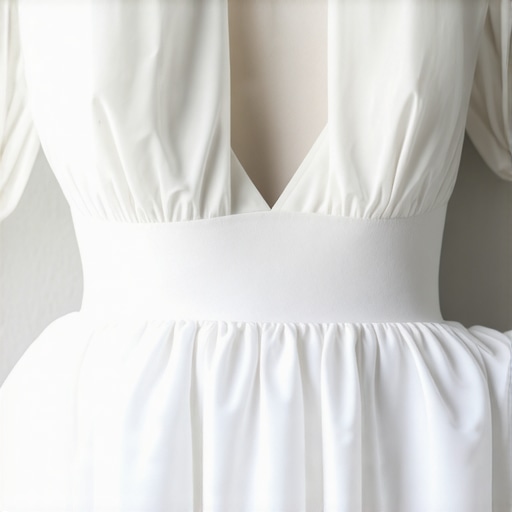
Let’s dig deeper into some nuanced aspects of bridal gown preservation that many people overlook or misunderstand. Even experienced brides and preservation enthusiasts can fall into traps that compromise the longevity of their treasured garments. Understanding these pitfalls can save you from costly mistakes and ensure your gown remains beautiful for generations.
Myth: All Dry Cleaning Is Suitable for Wedding Gowns
Many assume that regular dry cleaning is enough to preserve a wedding dress. However, bridal gowns often require specialized cleaning methods tailored for delicate fabrics like silk, lace, and satin. Standard dry cleaning solutions may contain chemicals that can weaken or discolor the fabric over time. Professional bridal gown preservation services employ gentle, eco-friendly cleaning agents designed specifically for wedding dresses, which significantly reduces the risk of damage. This nuance is crucial—trusting your gown to generic dry cleaners might inadvertently accelerate deterioration rather than prevent it. For the best results, seek specialists with experience in gown preservation, such as those referenced in local expert services in Trinity.
Common Mistake: Using Plastic Bags for Storage
One of the most frequent errors is storing a gown in plastic bags after cleaning. Plastic can trap moisture and create a humid environment conducive to mold growth and fabric yellowing. Additionally, plastic emits acids that can yellow or weaken fibers over time. Instead, the correct approach is to use acid-free, archival-quality storage materials, such as acid-free tissue paper and boxes, which serve as a protective barrier against environmental pollutants. This simple switch in storage method can make a significant difference, preventing irreversible damage. Remember, the goal is to mimic a museum-quality environment—climate-controlled, acid-free, and sealed against pests.
Advanced Question: How Do Climate Fluctuations Affect Wedding Dress Preservation?
For those looking to go beyond basic care, understanding the impact of climate fluctuations is essential. Rapid changes in temperature and humidity can cause fabric fibers to expand and contract, leading to weakening or tearing over time. Experts emphasize maintaining a stable environment—ideally, a climate-controlled room with consistent temperature (around 65-70°F) and relative humidity (around 50%). Fluctuations even within small ranges can accelerate deterioration, especially for delicate fabrics. A study by textile conservators confirms that controlled environments extend the lifespan of preserved garments significantly (source). Therefore, investing in a dedicated, climate-controlled storage space is an advanced but worthwhile step to ensure your gown remains pristine for decades.
Have you ever fallen into this trap? Let me know in the comments. Proper knowledge and proactive preservation are the keys to safeguarding your wedding memories for future generations.
Maintaining your wedding gown over the years requires more than just proper storage; it involves the right tools and consistent techniques to ensure its longevity. Personally, I rely on specialized equipment and methods that have proven effective in my experience and are recommended by textile preservation experts. One of my top tools is a digital hygrometer, which I use to monitor humidity levels in my storage environment. Keeping humidity around 50% prevents mold growth and fabric deterioration. I also invest in a climate-controlled display case for gowns I wish to showcase temporarily, ensuring stable temperature and humidity. These tools are invaluable for maintaining optimal conditions, especially if your storage space isn’t naturally ideal.
For cleaning, I recommend a gentle ultrasonic cleaner. This device uses high-frequency sound waves to remove dirt and oils embedded deep within delicate fabrics, which traditional cleaning methods might miss. I’ve personally used an ultrasonic cleaner on small fabric swatches before cleaning my gown, ensuring no damage occurs. When combined with eco-friendly cleaning solutions recommended by preservation specialists, ultrasonic cleaning becomes a powerful tool for long-term care.
Another indispensable resource is professional preservation services. They use specialized acid-free tissue, archival boxes, and climate-controlled environments to optimize long-term preservation. Regular inspections, which I perform with a handheld LED flashlight, help detect early signs of discoloration or pests, allowing me to act swiftly. These tools and techniques, combined with routine care, form a comprehensive approach to keeping your gown pristine over decades.
Looking ahead, I predict advancements in smart climate-control systems and digitized monitoring tools will make gown preservation even more accessible and precise. Imagine an app that alerts you if humidity or temperature fluctuates beyond safe thresholds, integrating seamlessly with smart home devices. Implementing such technology can elevate your preservation game, making long-term care easier and more effective.
How do I maintain my gown preservation tools over time?
To ensure your tools stay in optimal condition, regular calibration and cleaning are essential. For devices like hygrometers and thermometers, follow the manufacturer’s instructions for calibration—often using a salt test or professional calibration services. Keep ultrasonic cleaners and other equipment clean and free of dust or residues, storing them in a dry, dust-free environment. Replacing batteries periodically prevents malfunction, and updating software or firmware ensures you benefit from the latest features and security patches. By maintaining your tools diligently, you ensure they perform accurately, giving you peace of mind that your gown remains in expert hands for years to come.
Start applying these advanced tools and techniques today, and take your bridal gown preservation to the next level. Remember, investing in the right equipment is an investment in your memories—making sure they last for generations.
The Hardest Lesson I Learned About Bridal Gown Preservation
One of the toughest truths I faced was realizing that not all preservation methods are created equal. I initially thought a simple cleaning and plastic storage would suffice, but I learned that improper techniques can cause irreversible damage, like yellowing or fabric weakening. This was a lightbulb moment that emphasized the importance of consulting experts who understand delicate textiles and proper storage materials.
3 Myths About Wedding Dress Preservation That Held Me Back
Believing that all dry cleaning is suitable for wedding gowns or that hanging the dress is safe were myths I had to unlearn. These misconceptions can lead to costly mistakes, such as fabric distortion or mold growth. Learning the truth—like the necessity of acid-free storage and flat, careful folding—transformed how I protect my gown for the future.
What Experts Won’t Tell You About Long-Term Dress Care
Many don’t realize that climate fluctuations significantly impact fabric longevity. Rapid changes in humidity and temperature can weaken fibers over time. I discovered that maintaining a stable, climate-controlled environment is essential for preserving the gown’s beauty and integrity, a tip I now prioritize above all else.